
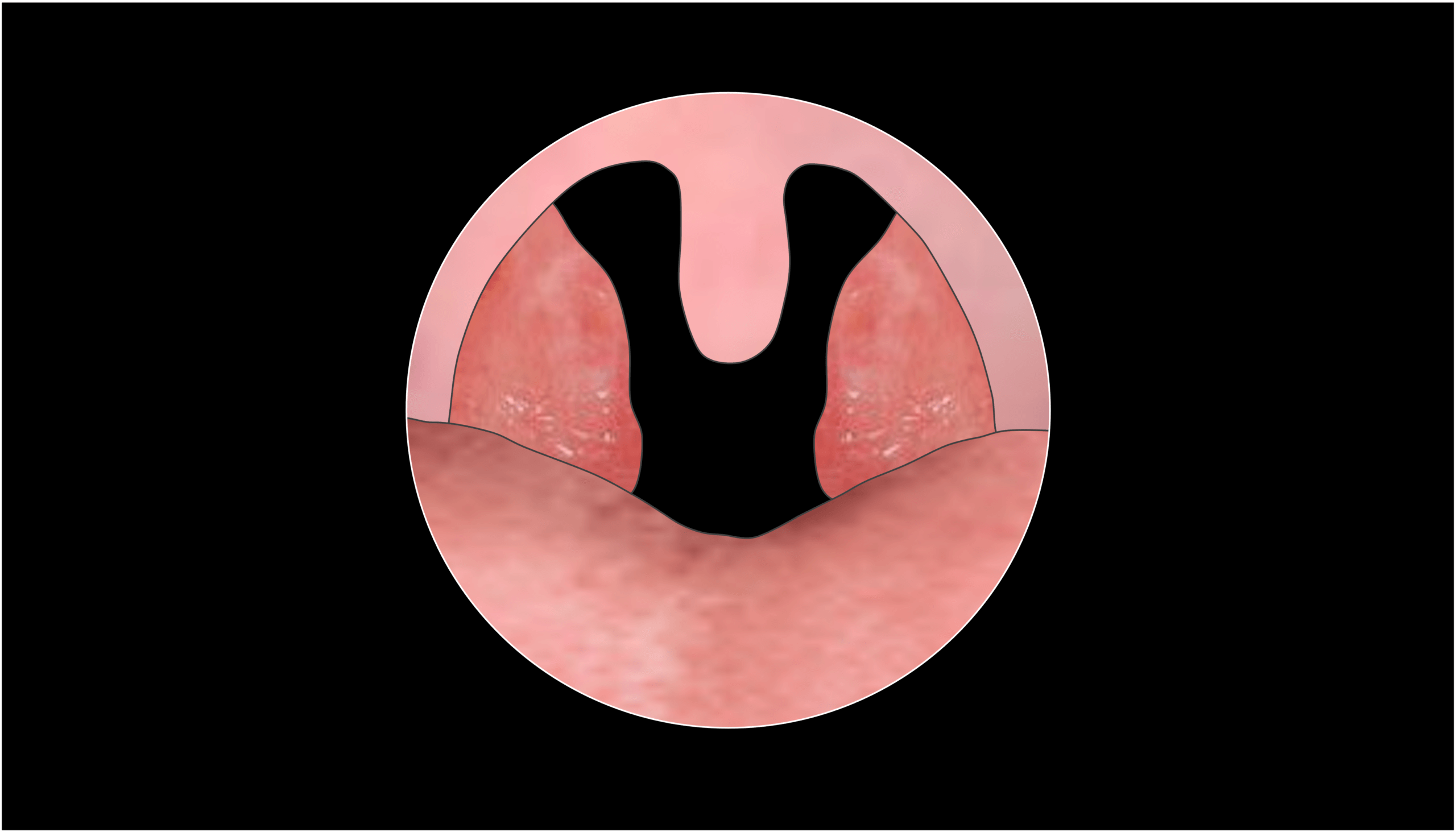
What is tonsil and adenoid surgery?
Tonsil and adenoid surgery refers to an operation to remove your child’s tonsils and adenoids.
The tonsils are two rounded structures that sit on either side of the back of the throat.
The adenoids are similar to the tonsils but sit at the back of the nose. They are shaped a bit like a mini bunch of bananas!
Tonsils and adenoids are part of your immune system. They act as the gatekeeper, catching bacteria and viruses as we breathe.
So why does my child need this operation?
The two most common reasons are breathing problems during sleep and frequent ENT infections.
Breathing problems
Tonsils and adenoids can become enlarged due to recurrent infections. Large tonsils and adenoids can block your child’s breathing resulting in snoring at night. In more severe cases, the blockage interrupts breathing, a condition known as obstructive sleep apnea.
Obstructive sleep apnea makes sleep unrestful, which can affect your child’s alertness during the day. This can cause difficulty with concentration, and hyperactivity. In addition, obstructive sleep apnea can lead to indirect effects like bed-wetting, growth delay and could even worsen asthma. Hence, removing large tonsils and adenoids can dramatically improve these symptoms.
Frequent infections
Another reason for removing tonsils and adenoids is when infections become too frequent. Infected tonsils can cause severe sore throat and fever. Infected adenoids can contribute to chronic sinusitis and ear infections. Hence, removing the tonsil or adenoids can overcome the need for frequent antibiotics in these situations.
What happens during tonsil and adenoid surgery?
Your child will need a general anaesthetic, meaning that they are put fully to sleep under the watchful eye of an anaesthetist.
The anaesthetic
When your child is asleep, the anaesthetist passes a breathing tube into your child’s windpipe to control their breathing. A small canula is also put into a vein so that medication can be given.
The tonsils
During surgery to remove the tonsils, a special device is used to keep your child’s mouth open. We then use a radiofrequency “wand” to separate the tonsils from the underlying tissue. The “wand” seals blood vessels, so bleeding is minimal during surgery. Furthermore the technique minimises trauma to adjacent tissue, which helps healing. It is also possible to leave a thin layer of tonsil behind, which can reduce pain but could run the risk of the tonsil regrowing. Tonsil surgery takes approximately half an hour to complete.
The adenoids
We remove the adenoids by a different approach from the tonsils. The adenoids sit at the back of the nose. Hence they are removed by passing a curved radiofrequency “wand” through the mouth into the back of the nose. At the same time, an endoscope passed through the nose allows the adenoids to be viewed clearly so that they can be removed precisely. Adenoidectomy takes about 20 to 30 minutes to complete.
Can I watch the surgery?
One parent is allowed into the operating room while your child is being put to sleep so that you can support your child. However, once your child is asleep, you will have to leave the operating room. We will let you know as soon as the surgery is over.
What happens after the operation?
After surgery, your child is woken up, and you can be with him or her again. Your child has to be observed in the recovery area for a short period, before being wheeled back to the ward.
Your child can eat and drink once they are back on the ward and fully awake.
We usually observe your child on the ward overnight and discharge them the next morning, once we know they can eat and drink well.
“Things to do” after tonsil and adenoid surgery
Doing the following can help to reduce throat pain, prevent infection, minimise risk of bleeding, and help the healing process after tonsil surgery.
1. Pain medicines
Giving your child painkillers regularly in the first few days can make it easier for them to eat, drink and sleep. Usually we give two pain medicines, which can be rotated.
2. Gargles
Antiseptic gargles can help soothe your child’s throat and are prescribed if they know to gargle. Keep the gargles in the fridge, or put ice in them, so that there is an added soothing effect.
3. Antibiotics
This is a somewhat controversial area. Some centres around the world do not use antibiotics postoperatively. We usually prescribe antibiotics in the first week, although we will discuss the pros and cons with you.
4. Oral hygiene
Encourage your child to brush their teeth twice a day. A clean mouth means less bacteria so that the risk of infection is less.
5. Drink lots of fluids
Your child may not feel like drinking much after tonsillectomy because their throat hurts. However, it is very important that your child stays well hydrated. So encourage any drinks that they enjoy. Adding ice can help. A nifty trick to keep up your child’s fluid intake is to let them suck on frozen rehydration sticks or ice lollies!
6. Eat toast!
This probably sounds a little counter-intuitive as toast may seem like dry and scratchy food. However, toast is, in fact, an excellent food to eat after tonsillectomy. This is because toast is digested by saliva in the mouth. Chewing slowly produces saliva, which not only softens the mouthful of toast but also helps to clean the throat. Giving pain medication 45 minutes beforehand can make the process easier.
7. Honey helps
Small quantities of honey can help with throat pain. A quarter teaspoon may be all that is needed to help soothe the throat.
8. Be prepared for a pain spike a week after tonsil surgery
It is quite common to experience a spike in throat pain at the end of the first week. This is a normal part of the healing process, and does not mean anything is wrong. If this happens, simply administer pain medications if needed. The pain usually settles down again after two to three days.
9. Reign in excessive physical activity
Some children don’t seem to experience much pain after tonsillectomy. This can lead them to become overactive during the important first two recovery weeks. Being over active could injure your throat and cause bleeding. Your child can remain physically active, but don’t overdo it, even if they seem well.
When can my child go back to school?
I usually recommend taking at least 2 weeks off from school. Although it may be possible to return to school earlier, this risks picking up an infection or provoking bleeding. It is often best to plan the surgery leading into a school holiday, so there is plenty of time for rest and recovery at home.
What are the risks of tonsil and adenoid surgery?
The two main risks after tonsil and adenoid surgery are pain and bleeding.
Pain after tonsil and adenoid surgery
It is normal to have throat pain after tonsillectomy. The pain subsides gradually over about four weeks. As mentioned earlier, there is often a pain spike lasting two or three days at the end of the first week.
Pain can stop your child eating and more importantly, drinking. If your child is not drinking, this may lead to dehydration. In severe situations this may mean readmitting your child to hospital for intravenous rehydration. Therefore managing your child’s pain with regular pain killers if needed is important.
Fortunately, most children do not experience excessive pain. Furthermore, by taking a little care (remembering the “Things to Do” above), they seldom need readmission.
Bleeding after tonsil and adenoid surgery
If your child is coughing or spitting out blood after the surgery, this is an emergency. Keep calm, contact the surgeon, and head over to the urgent care centre immediately. Bleeding usually means that a small blood vessel has opened, and your child may need to go back to the operating room to seal up the vessel.
The risk of this complication is about 2 percent, and the risk subsides after two weeks. Do follow the list of “things to do” after tonsillectomy, which helps to minimize the risk of bleeding.
Will my child’s immune system be weakened by tonsil and adenoid surgery?
Numerous studies have shown no significant negative effect of tonsillectomy on immune function. However, there are also studies suggesting that removing tonsils and adenoids could increase long-term risks of respiratory, infectious, and allergic diseases. Such studies can be open to biases, meaning that the conclusion is far from certain.
Nonetheless, if you are deciding whether to proceed with surgery for your child, it is important to weigh up the benefits of surgery against all the potential risks.
Can I keep my child’s tonsils?
Unfortunately, you can’t. We have to send your child’s tonsils to the laboratory for a routine check under the microscope. We will, however, give you a report of this check, which includes photos of your child’s tonsils.
What alternatives are there to tonsil and adenoid surgery?
Children can outgrow some of the problems. However, this can take several years. So you will need to decide together with the doctor if you feel that the symptoms are troublesome enough and are affecting your child’s wellbeing and healthy development.
If you think that your child’s tonsils and adenoids are contributing to breathing problems during sleep but are unsure, there is a way to find out. We can do this by a test known as a sleep study. This test can give an objective answer whether your child has obstructive sleep apnea 😴
Will my child be less hyperactive or smarter at school after surgery?
I am sorry to disappoint you here, but taking your child’s tonsils and adenoids out is unlikely to make your child smarter, even if their sleep apnea is cured! Large clinical trials have not been able to conclusively show an improvement in cognitive function after tonsillectomy and adenoidectomy. However, you will likely notice improvements in your child’s symptoms, quality of life, and even their behaviour!
What next?
Read more about services for children’s ENT conditions or contact us.
References
Tonsils, adenoids, and long term immune function | AAO-HNS Bulletin. Published: August 27, 2019.