
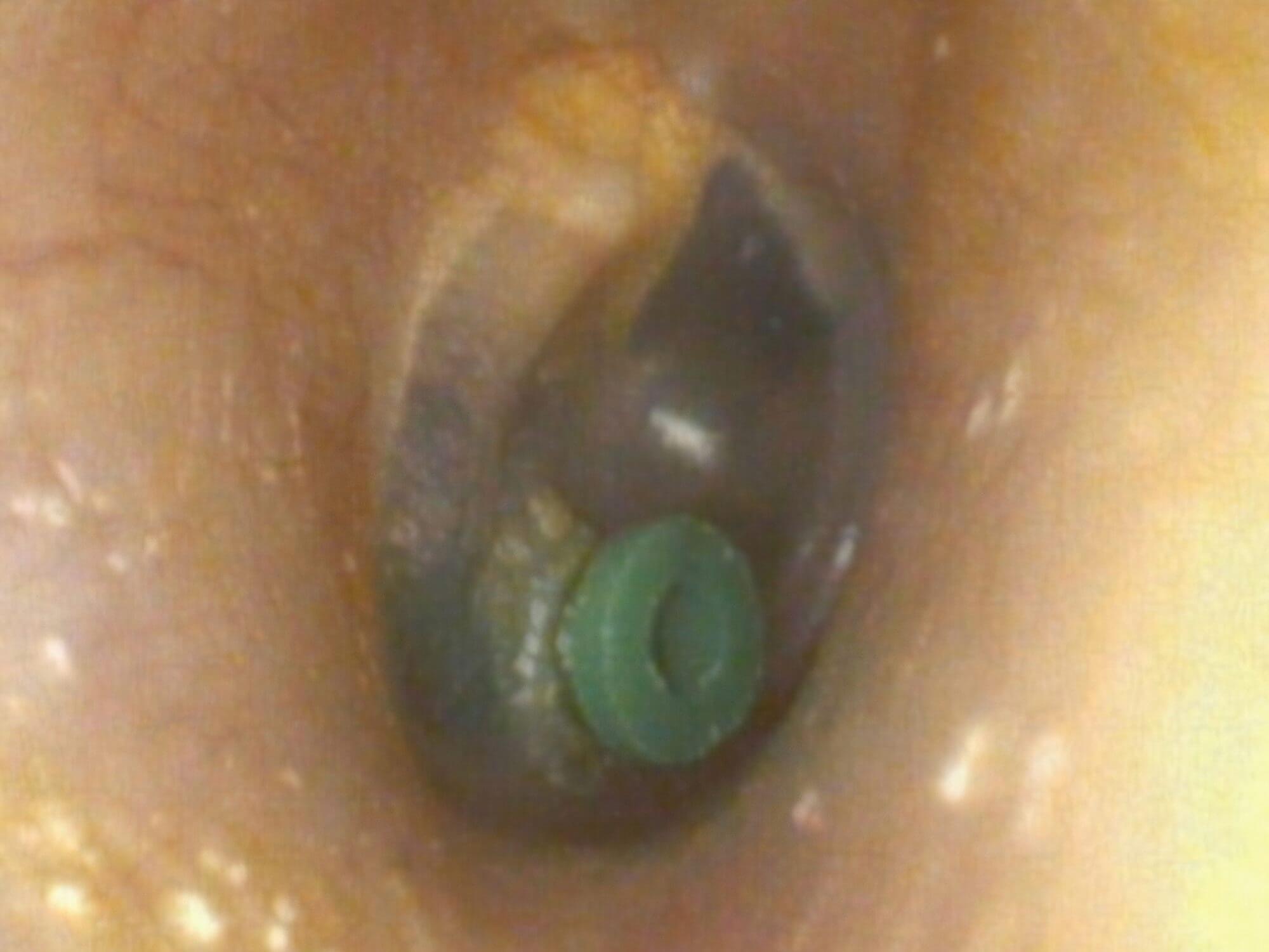
What is this post about?
This post talks about what tympanostomy tubes are, reasons why they are needed in some children, the procedure involved, and what parents can expect after surgery.
What are tympanostomy tubes?
Tympanostomy tubes, commonly known as grommets, are tiny tubes inserted into the eardrum to allow air to enter the middle ear.
These tubes help to ventilate the middle ear and can be used to treat hearing loss due to the accumulation of fluid behind the eardrum. In addition, they can significantly reduce the frequency and severity of ear infections in children.

They are usually made from surgical-grade fluoroplastics
Why does my child need tympanostomy tubes?
Your child may need tympanostomy tubes if they have recurrent middle ear infections causing fluid build-up behind the ear drum, or if they have persistent fluid behind the ear drum resulting in poor hearing.
Having impaired hearing for a prolonged periods can affect your child’s speech development, learning ability, behaviour, and even their balance.
Tympanostomy tubes allow air to enter and ventilate the middle ear. This helps to dry up the fluid, which in turn means less infections and normal hearing.
Why does fluid build up in the middle ears?
Fluid usually builds up in the middle ears if the eustachian tubes become blocked. The eustachian tubes are narrow tubes joining the middle ear with the back of the nose on each side. A common cause for a blocked eustachian tube is when the child catches a cold.
Normally, the eustachian tubes serve to ventilate the middle ears. They do this by opening slightly every time you swallow. You may be aware of a slight squelching sound when you swallow, which is, in fact, your eustachian tube opening.
When a child catches a cold, tissue at the back of the nose, known as the adenoids, swells and blocks the eustachian tubes. In addition, the tubes themselves may also swell. When a eustachian tube can’t open properly, air can’t get into the middle ears, and fluid builds up. Sometimes, infection travels up the eustachian tube, causing a middle ear infection. Fluid may remain in the middle ear even after the infection clears if the tube remains blocked.
A tympanostomy tube takes over the function of the eustachian tube temporarily by creating a passage for air to enter and ventilate the middle ear and for fluid to drain.

©Advanced ENT Centre
Why are middle ear infections more common in children?
Middle ear infections are much more common in children than adults for several reasons:
Firstly, children’s eustachian tubes are shorter and more horizontal compared to adults. This makes it easier for bacteria to enter and harder for fluid to drain.
Secondly, children’s immune systems are still developing, making them less effective at fighting off infections. Furthermore, children are often in close contact with other children, such as in daycare or school settings. This increases their exposure to germs.
Third, children have large adenoids compared to adults, which can block the eustachian tubes and contribute to infection. The adenoids shrink at around six to eight years of age. However, they may remain inflamed or enlarged due to chronic infection or allergy.
Can fluid in the middle ear go away without putting in tympanostomy tubes?
The short answer is yes. For this reason, we only put tympanostomy tubes in children if fluid in the middle ear has been present for at least three months, or if your child is getting frequent middle ear infections with fluid.

How are tympanostomy tubes inserted into my child’s ears?
Before surgery, the ENT (Ear, Nose, and Throat) specialist will evaluate your child’s medical history and perform a thorough examination. In addition to examining your child’s ears, we may recommend nasal endoscopy to assess if the adenoids are contributing to the ear problem. In addition, your child will need a hearing test to assess their hearing level.
We usually perform the procedure under general anesthesia to ensure the child is comfortable and still.
The insertion of tympanostomy tubes is a relatively quick and straightforward procedure. The surgeon makes a small incision in the eardrum, a process called a myringotomy, to remove the fluid from the middle ear. The grommet is then placed in the incision to keep it open and allow air to circulate in the middle ear.
The entire procedure usually takes about 15 to 20 minutes, and most children can go home the same day.

What can I expect after my child has had tympanostomy tubes?
- Less Ear Infections: Grommets can significantly reduce the frequency of ear infections in children, providing relief from pain and discomfort.
- Better Hearing: By allowing fluid to drain from the middle ear, tympanostomy tubes help restore normal hearing, which is crucial for speech and language development.
- Improved Quality of Life: Children with tympanostomy tubes often experience fewer ear-related problems, leading to better sleep, improved behavior, and a more active lifestyle.
How long do the tubes stay in?
Tympanostomy tubes usually remain in place for six months to a year before they fall out on their own. Occasionally we need to remove them if they do not fall out.
While the tubes remain in, we will need to follow up your child at regular intervals to monitor their hearing and ensure the tubes are functioning correctly.
Will the fluid come back after the tubes come out (role of adenoid removal)
Fluid can re-accumulate after tympanostomy tubes extrude. Important reasons for this include persistently inflamed or enlarged adenoids, and nasal allergies.
In addition to blocking the eustachian tubes, adenoids can cause symptoms like chronic sinus infections, blocked nose, snoring and sleep apnea. We may recommend removing the adenoids (adenoidectomy) when these symptoms are present as this will help both the ears and nose symptoms.
If nasal symptoms and snoring are not present, then it is best to wait until your child is four years old before carrying out adenoidectomy. [1] This is because bleeding that occurs during surgery in a very small child is potentially more dangerous. Furthermore, anaesthesia for adenoidectomy involves passing breathing tube into the windpipe rather than just at the back of the throat for tympanostomy tubes. This carries a small risk of injuring the windpipe, which is less once the child is slightly older.
What could go wrong?
While tympanostomy tubes in children are generally safe, as with any surgical procedure, there are potential risks. These may include:
- Persistent Ear Drainage: Some children may experience ongoing drainage from the ear. We can manage this with ear drops.
- Perforation of the Eardrum: In rare cases, the eardrum may not close on its own after the tube falls out, requiring additional surgery.
- Scarring: There is a slight risk of scarring on the eardrum, which usually does not affect hearing.
Can my child swim after putting in tympanostomy tubes?
The American Academy of Otolaryngology Head and Neck Surgery recommends against using ear plugs to swim after the procedure. [1] This is because the risk of getting an infection is very low and may not justify the trouble of having to use ear plugs to swim and the anxiety this creates. Nonetheless, it is advisable to avoid diving deeply under water or swimming in contaminated water. Should parents decide to take precautions, then a combination of putty earplugs and a neoprene headband often works best.
How do I find out more about tympanostomy tubes?
Read more about Children’s ENT services at Advanced ENT Centre.
Read more about Children’s ENT conditions.
Contact us at Advanced ENT Centre to arrange an appointment.